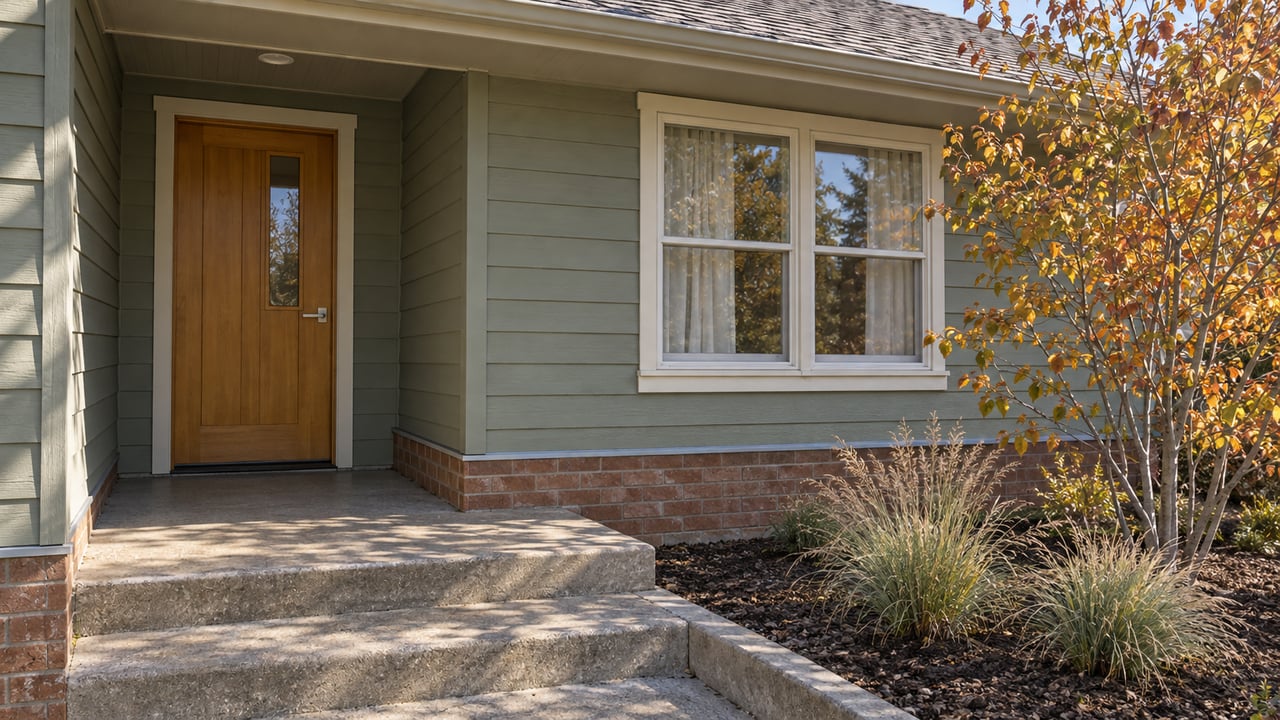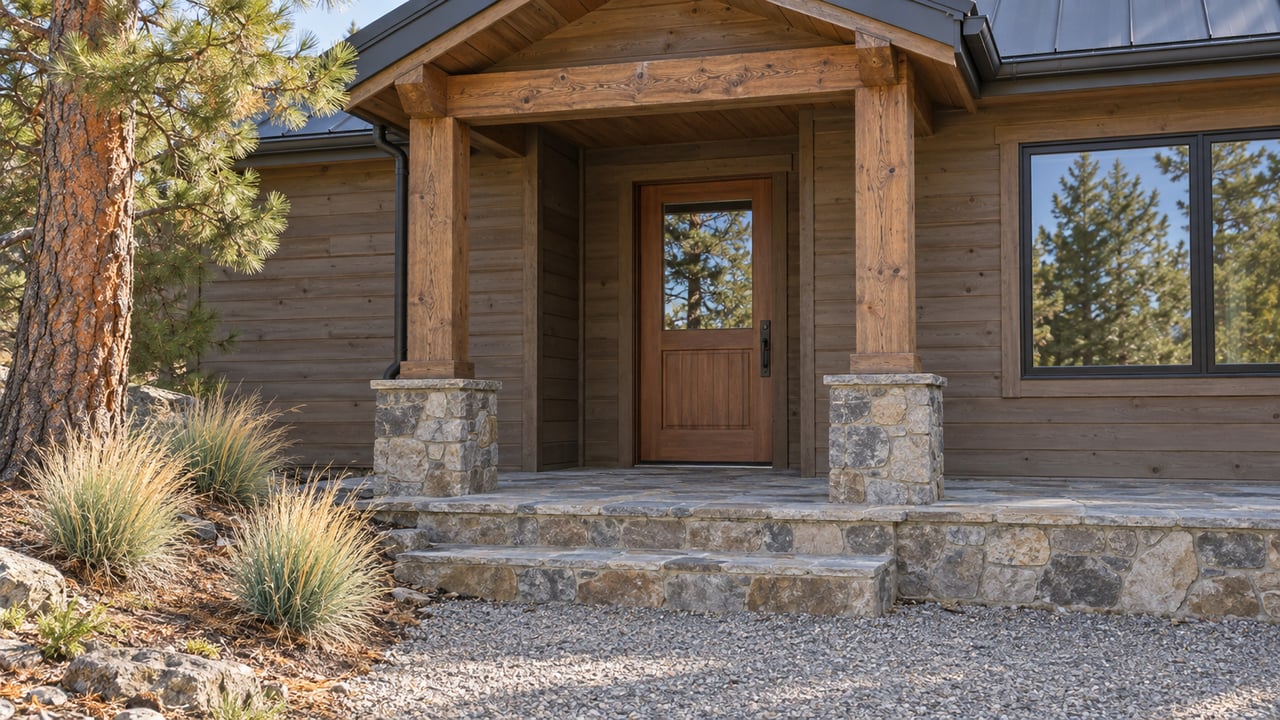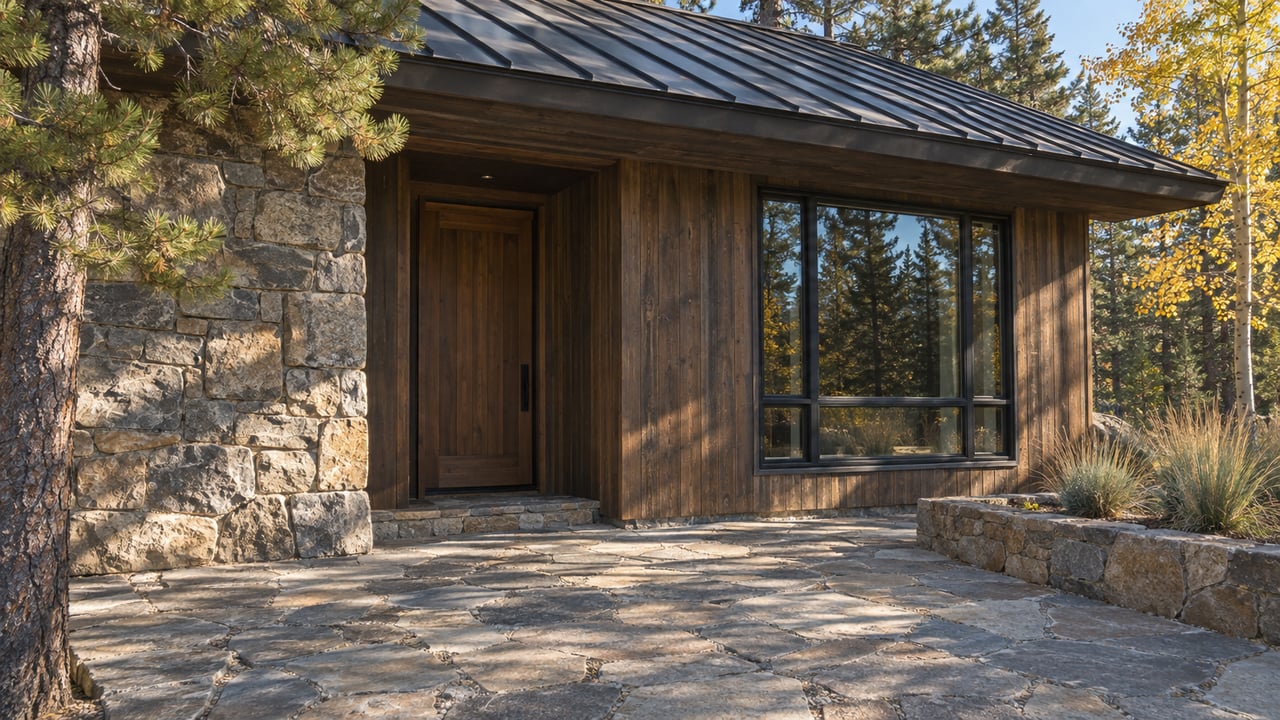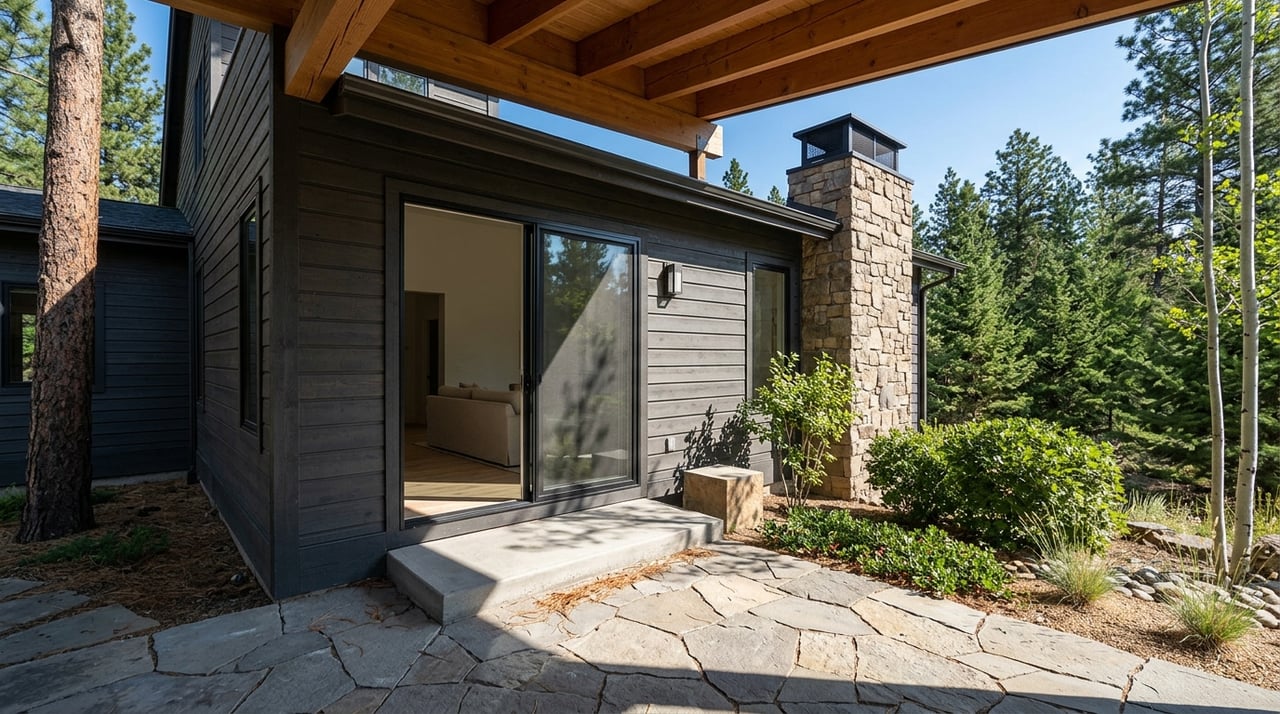
Thinking about buying a vacation rental in Estes Park? It is easy to get excited by the mountain setting, Rocky Mountain National Park traffic, and the idea of strong nightly rates. But in this market, a pretty cabin is not enough. If you want a property that works as an investment, you need to look closely at licensing, location, parking, and realistic income assumptions before you write an offer. Let’s dive in.
Why Estes Park Draws Vacation Rental Demand
Estes Park benefits from one of the strongest tourism drivers in Colorado: Rocky Mountain National Park. According to the National Park Service visitation data, the park recorded 4,171,431 recreation visits in 2025. That kind of steady visitor traffic helps support short-term rental demand throughout much of the year.
Access matters just as much as overall visitation. The Beaver Meadows Entrance Station, located about 3.5 miles west of Estes Park, usually sees the highest visitor volume on the east side of the park. For many buyers, that makes proximity to the park more than a lifestyle perk. It can be a meaningful part of the rental story.
Seasonality is also important to understand. Rocky Mountain National Park will require timed-entry reservations from May 22 through October 12, 2026, between 9 a.m. and 2 p.m., according to the same National Park Service update. That reinforces what many investors already expect: late spring through early fall is the core demand window, with summer typically carrying the most weight.
Downtown Access Still Matters
Not every guest chooses Estes Park only for the park. Downtown access is another major demand driver, especially for visitors who want to walk to shops, restaurants, and events. A home that offers easy access to both downtown and the park often has a more flexible appeal.
Parking rules can affect that value. The Town of Estes Park says its paid parking season runs from May 23 through October 19, while off-season parking is free. Overnight parking is permit-only year-round, and downtown overnight permits for rental units or commercial lodging are limited to situations where the owner or operator does not have private parking.
That means parking is not just a convenience. It is part of your underwriting. A property with solid on-site parking may be easier to operate and more attractive to guests than a similar home with tighter parking constraints.
What the Numbers Suggest
A market snapshot can help you build a starting point, even if it should never replace property-specific due diligence. According to AirROI’s Estes Park market report, the current estimated market averages are:
- $55,338 in annual revenue
- 45.5% occupancy
- $396 average daily rate
- $187 RevPAR
- 3.8-night average stay
- 67-day average booking lead time
- $250 average cleaning fee
Those numbers are useful, but they are not a promise. If a home has weaker access, limited parking, or fewer guest-friendly features, you should be careful about underwriting at or above market average.
AirROI also notes that July is the peak revenue month and February is the softest month. In practice, that means your annual performance may depend heavily on how well the home captures summer and early fall demand.
Location Is More Than Views
In Estes Park, buyers often focus first on scenery. Views matter, but they do not tell the whole investment story. The stronger vacation rental candidates usually combine three things: legal eligibility, practical access, and a location guests can understand immediately.
Homes near the park may benefit from easier access to a major visitor draw. Homes closer to downtown may appeal to guests who want a walkable stay. Properties that balance both can stand out, especially when they also solve parking and operational challenges better than competing listings.
That is why location here should be evaluated through an investment lens. Ask yourself whether the parcel makes guest access simple, whether parking is workable, and whether the property is in a jurisdiction and zoning setup that supports your plan.
Town vs. County Rules
One of the biggest mistakes buyers make is assuming all Estes Park vacation rentals follow the same rules. They do not. The first question is whether the property is inside Town limits or in unincorporated Estes Valley under Larimer County.
Inside Town limits, stays under 30 days require a Vacation Home License. The Town states that residential vacation homes are generally limited to two occupants per bedroom plus two, with a maximum occupancy of eight. It also notes that residentially zoned properties are subject to a 322-license cap and a waitlist lottery, while commercial-zoned vacation homes are not subject to that limit and are processed as applications are received.
Town applicants also need proof of ownership, a sales tax license or Colorado account number, an initial compliance inspection, and a local representative or property manager who lives within Park R-3 School District or EVRPD boundaries and can respond within 20 to 30 minutes. That local response requirement makes management planning a real operational issue from day one.
In unincorporated Estes Valley, Larimer County requires a short-term rental license before advertising or operating. Only one STR is allowed per property. The County says residential zone districts in the Estes Valley are capped at 208 registrations with a waiting list, while other zoning districts are not subject to the waitlist but still require licensing.
County-regulated properties may also need a conversion permit, life-safety inspection, and certificate of occupancy for STR conversions. Starting January 1, 2026, renewals are required every other year with a $250 fee. The County also requires property-manager contact information to be provided to neighbors within 500 feet, which makes responsive local oversight especially important.
Do Not Assume a License Transfers
This is one of the most important points for any buyer. A vacation rental that is operating today may not give you the same rights after closing.
Larimer County states that STR licenses are generally not transferable except in limited cases. The Town of Estes Park also says that residentially zoned vacation homes licensed after October 18, 2021 generally do not transfer. If a property is marketed as an active short-term rental, that should trigger more questions, not fewer.
Before you get too far into negotiations, confirm the exact parcel-level facts. You want to know the jurisdiction, zoning district, whether a cap or waitlist applies, and whether any current license status would survive a sale. If it will not, that could materially change the value of the property for your intended use.
Expenses Can Change the Deal
Gross revenue is only part of the picture. Estes Park has recurring taxes and fees that can take a noticeable bite out of the top line.
The Town currently lists an Estes Park lodging and short-term rental tax rate of 14.45% and a general sales tax rate of 8.95%. The 2026 Town Vacation Home License fee is $200 base plus $50 per bedroom, along with a $1,500 workforce housing regulatory linkage fee, due by January 31.
If the property is in the County-regulated area, the renewal fee is lower, but it still needs to be accounted for. Larimer County says renewals are every two years and cost $250 starting January 1, 2026. These costs should be treated as fixed overhead when you compare one property to another.
Acquisition price matters too. Larimer County’s 2025 Notice of Value update showed a median home value of $672,000 in Estes Park. At that price point, debt service, reserves, maintenance, and turnover costs can make or break your return.
A Smarter Way to Underwrite
If you are evaluating vacation rental potential in Estes Park, it helps to start with a conservative framework. Instead of asking, “What is the highest revenue this could produce?” ask, “What is the most defensible revenue this property could support under current rules?”
A practical underwriting review should include:
- Exact jurisdiction: Town of Estes Park or unincorporated Larimer County
- Zoning district and whether a cap or waitlist applies
- Whether an existing license transfers at closing
- Occupancy limits based on bedroom count and local rules
- On-site parking capacity and ease of guest access
- Distance and convenience to downtown and RMNP access points
- Local manager or representative requirements
- Inspection, life-safety, or conversion costs
- Cleaning, turnover, and maintenance assumptions
- Fixed taxes, fees, and reserve planning
That process may feel more detailed than in some other mountain markets. But in Estes Park, regulation is part of the investment thesis. If the property cannot be licensed or operated the way you need, the projected income should be adjusted sharply.
What Strong Candidates Usually Have
The best opportunities in Estes Park are not always the flashiest homes. Often, the strongest candidates are the ones that solve the most practical problems.
A solid vacation rental prospect often includes a location with clear guest appeal, enough private parking, straightforward licensing potential, and a floor plan that supports compliant occupancy. Add in realistic purchase economics and a plan for local management, and you have a much stronger foundation for decision-making.
If you are shopping in this market, it helps to work with someone who can look at the property from more than one angle. You need to understand not only what attracts guests, but also what affects inspections, compliance, access, and long-term operating costs.
If you want help evaluating an Estes Park property through both a real estate and investment lens, connect with Seth Hanson. His local market knowledge, construction background, and investment-minded approach can help you sort through the details before you commit.
FAQs
What makes a property in Estes Park attractive as a vacation rental?
- The strongest candidates usually combine legal short-term rental eligibility, adequate on-site parking, and convenient access to Rocky Mountain National Park, downtown Estes Park, or both.
What are average short-term rental numbers in Estes Park?
- According to AirROI, the current Estes Park market snapshot estimates about $55,338 in annual revenue, 45.5% occupancy, a $396 ADR, and a 3.8-night average stay.
Do Estes Park vacation rental licenses transfer to a new buyer?
- Not automatically. Larimer County says STR licenses are generally not transferable except in limited cases, and the Town says many residentially zoned vacation home licenses issued after October 18, 2021 generally do not transfer.
What licensing rules apply to vacation rentals inside Estes Park Town limits?
- Stays under 30 days require a Town Vacation Home License, and residentially zoned properties may be subject to a license cap, occupancy limits, inspections, and local-manager requirements.
What should you verify before buying an Estes Park short-term rental?
- You should confirm the property’s jurisdiction, zoning, cap or waitlist status, transferability of any current license, occupancy limits, parking, inspection requirements, and expected taxes and fees before writing an offer.