Thinking about selling your Fort Collins home and wondering when the timing will put you in front of the most buyers? You are not alone. Timing in Northern Colorado can be a difference maker for days on market and negotiation power. In this guide, you will learn the best months to list in Fort Collins, how CSU and local weather shape demand, the key metrics to watch, and a step-by-step prep plan so your home hits the market at its peak. Let’s dive in.
Fort Collins selling season
Across the U.S., buyer activity typically rises in spring and peaks in late spring to early summer. Fort Collins follows that pattern, with a few local twists. The Colorado State University calendar, the family summer move window, and Front Range weather all shape when homes show and sell best.
What drives timing here:
- CSU turnover. Student and rental turnover rises from May through August, increasing activity for rentals and homes near student-dense areas.
- Family summer moves. Many family buyers prefer to move between June and August to avoid a mid-year school transition.
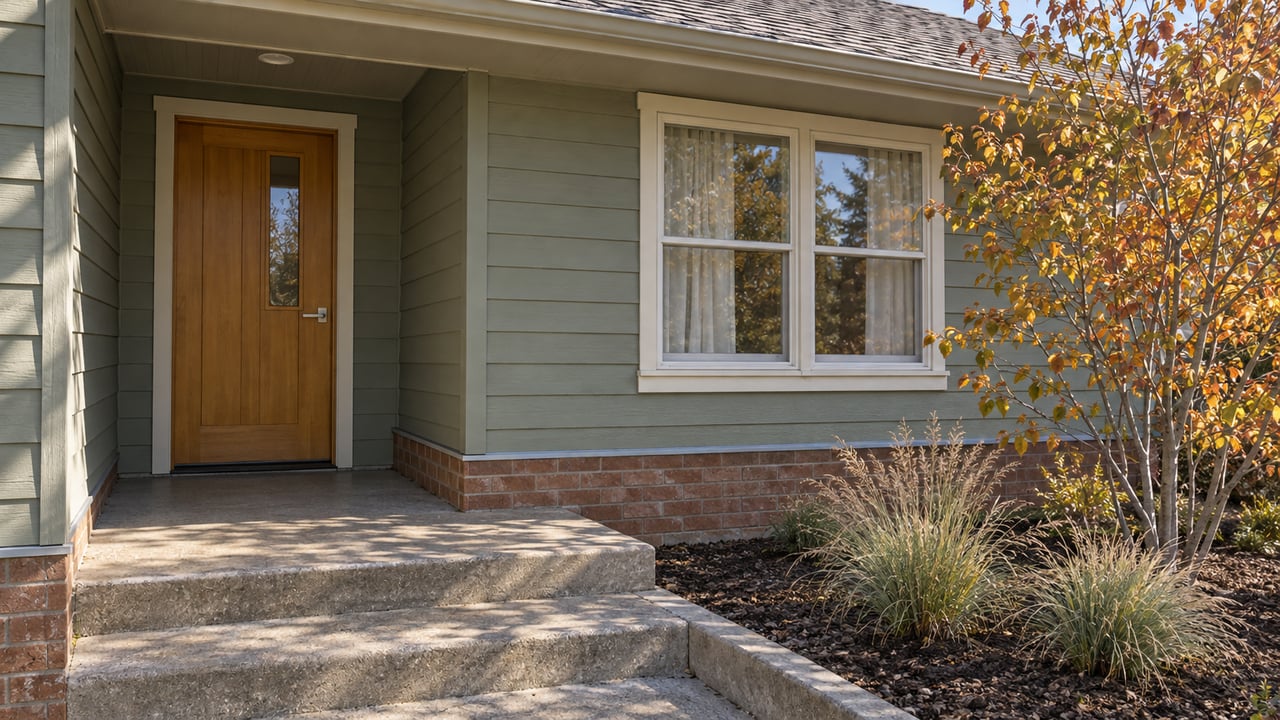
- Weather and curb appeal. Late April through June and again in September to October often show landscaping at its best. Early March can still be muddy or snow-affected.
- Interest rates and local hiring. Rate swings can pull demand forward or cool it. New employer announcements can also boost moves in certain months.
Best listing windows
- Primary window: mid-April to early July. This aligns with peak buyer traffic, family relocations, and strong curb appeal.
- Secondary window: late August to early October. Good for buyers who missed summer. Yards still look attractive and there is often slightly less competition.
- Slower periods: late November through February, and sometimes early March. Holidays and weather reduce showings. Well-priced homes still sell, but you may see fewer tours.
Is now the right time for your home?
General windows are helpful, but your price band and neighborhood tell the real story. A few numbers will help you decide whether to move fast or wait for a better window.
Key metrics to review:
- Days on Market (DOM). Lower DOM signals strong demand. Compare your neighborhood and price band to the city average.
- Months of Inventory (MOI). Under 3 months suggests a tight seller’s market. Three to 6 months is closer to balanced. Above 6 months favors buyers.
- Absorption rate. This is sales divided by active listings. Faster absorption means listings are being “consumed” quickly.
- List-to-sale price ratio. Over 100 percent points to bidding and limited inventory. Ninety-eight to 99 percent suggests more negotiation.
- Pending-to-list ratio. Pendings relative to active listings show near-term demand versus supply.
How to apply this to your address:
- Focus on your specific price range and submarket, not just citywide averages.
- Look at 30, 60, and 90-day trends to spot acceleration or cooling.
- If available, track showings per listing. Rising showings often lead pendings.
- Compare two to three recent sales and your current active competition to set a realistic pricing plan for your timing window.
60 to 90 day prep plan
Aim to be market-ready about 60 days before your target list date. That gives you time to complete repairs, schedule contractors, and coordinate photos when your yard looks its best.
90 to 60 days before listing
- Request a comparative market analysis and interview two to three local agents who know your neighborhood and price band.
- Consider a pre-listing inspection to catch issues early and prioritize high-return fixes.
- Schedule big-ticket repairs or replacements if needed, like roofing or HVAC.
- Plan landscaping upgrades for curb appeal. Book spring plantings early.
- Review required disclosures and organize paperwork, including permits and utility records.
60 to 30 days before listing
- Complete repairs from your inspection punch list. Tackle cosmetic updates like paint, hardware, and trim.
- Declutter and depersonalize. Consider off-site storage to support staging.
- Deep clean carpets and windows. Replace light bulbs for consistent color temperature.
- Stage to highlight focal points like a fireplace, views, or an open-concept layout.
- Confirm your photography plan and target dates when landscaping will pop.
- Prepare disclosures and utility averages for buyer review.
30 to 7 days before listing
- Do final touch-ups. Freshen paint, mulch, and lawn edging.
- Consider a broker price opinion or pre-list appraisal if you want a second valuation.
- Schedule photography, drone images if allowed, and a floor plan. Hold a backup date in case of weather.
- If tenants or students occupy the property, coordinate move-out to match your list date.
Week of listing
- Make the home show-ready daily. Clear counters, tidy beds, and neutralize odors.
- Provide a simple home information packet and disclosures.
- Set showing rules and decide on offer review timing if you expect high interest.
- Price to the current market using the latest comps and showing activity.
- Schedule an open house the first weekend to capture peak foot traffic.
Fort Collins specifics to consider
- CSU-area rentals often perform best when listed in May or June so new owners can plan for the academic year.
- Spring snow can happen. Keep photo plans flexible, and maintain driveways and walkways if listing in winter.
- Early spring curb appeal can lag. If you must list before growth returns, emphasize interior strengths and plan a quick exterior photo refresh once landscaping leafs out.
Pricing and timing strategy
Timing shapes pricing power. Your approach should match both your list window and the strength of your price band.
- If you are listing April to June with tight inventory, you can often price with less room for negotiation and still attract multiple offers.
- In a slower period, price more competitively and lean on standout marketing, including professional media and floor plans.
- List midweek, often Wednesday or Thursday, to build momentum into weekend showings. Confirm the best day by checking local MLS patterns.
- Consider offer deadlines for high-interest listings to manage showings and create clarity. Follow local norms and your agent’s guidance.
- Use pricing thresholds wisely. For example, pricing at 499,900 can capture buyers searching up to 500,000.
Negotiation tips:
- Expect family-driven buyers in summer and investor or rental-focused buyers in late spring and early summer. Their timelines and priorities differ, so tailor your terms accordingly.
- In peak season, be ready to respond quickly. Strong buyers expect timely communication within 24 to 48 hours.
Tax and legal notes:
- Many sellers who meet ownership and use tests can exclude a portion of capital gains. Consult a tax professional for specifics on your situation.
- Complete all required Colorado disclosures. A thorough packet can reduce back-and-forth during negotiations.
Should you wait or list now?
Consider waiting if:
- MOI and DOM are trending weaker in your specific neighborhood and you can postpone without added cost.
- Your yard and exterior will look meaningfully better in late spring or early fall.
Consider listing now if:
- Inventory in your price band is unusually tight and pendings are outpacing new listings.
- You face job or school timing constraints that make a quicker move the better choice.
- Mortgage rate volatility suggests a window where buyers with locks are motivated to transact.
Get a local plan for your address
Your best timing is personal to your price band, neighborhood, and move plan. If you want a data-backed strategy that lines up your prep, photos, and list date with peak buyer attention, connect with a local advisor who tracks Fort Collins seasonality and absorption week by week. Reach out to Seth Hanson to get a neighborhood-specific timing plan and a clear prep checklist. Let’s connect.
FAQs
When is the best month to sell in Fort Collins?
- For most single-family homes, the strongest window is mid-April to early July, with a secondary window from late August to early October.
How long should I prepare before listing my Fort Collins home?
- Plan 60 days for prep, or 90 days if you have major repairs or landscaping to complete so you can hit your preferred window.
Do CSU move-out dates affect when I should list?
- Yes, in student-dense areas and rentals, listing in May or June can align with turnover and help incoming owners plan for the next academic cycle.
What metrics tell me if I should list now?
- Focus on MOI, DOM, absorption rate, list-to-sale ratio, and pending-to-list ratio in your exact price band and neighborhood.
Should I do a pre-listing inspection before selling in Fort Collins?
- It often pays off by reducing surprises, prioritizing repairs, and speeding negotiations, especially for older homes or those with deferred maintenance.
If I list in winter, can I still get a good result?
- Yes, well-priced and well-marketed homes can sell year-round, but expect fewer showings and plan for flexible photo scheduling and strong online presentation.