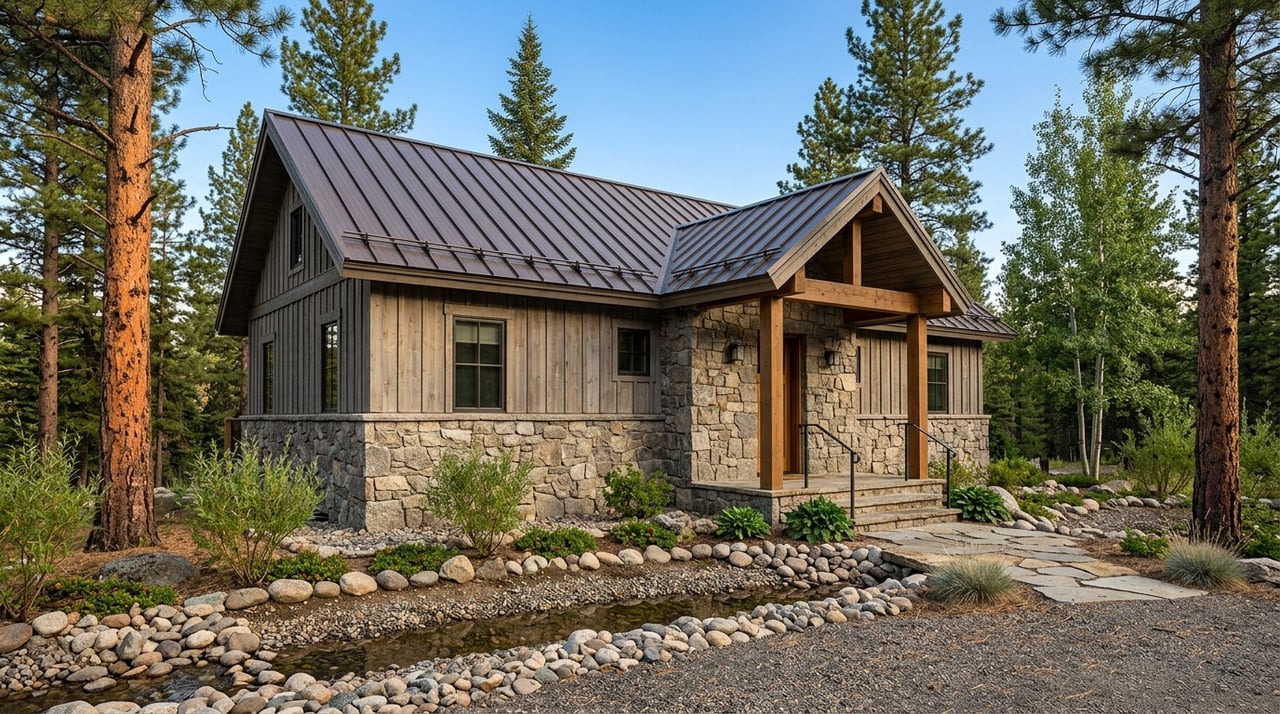
Thinking about buying a second home in Estes Park? It can be an exciting move, but mountain real estate comes with a different set of rules, costs, and upkeep needs than many buyers expect. If you want a place you can truly enjoy, and possibly use in specific ways when you are away, it helps to follow a clear plan from the start. Let’s dive in.
Why Estes Park needs a different plan
A second home in Estes Park is not just a lifestyle purchase. It is also a mountain property that can be affected by seasonal road access, fast-changing weather, winter utility issues, and wildfire risk.
Rocky Mountain National Park stays open year-round when weather allows, but Trail Ridge Road typically closes to through travel from mid-October to late May. That matters if your second-home plans include regular seasonal trips, guest visits, or shoulder-season use.
Winter conditions also affect ownership in practical ways. The Town of Estes Park notes that severe winter weather can interrupt heat, power, and water, and frozen private water lines near the building entry point are a common cause of winter outages.
Wildfire readiness is another major factor. Larimer County and the Colorado State Forest Service both emphasize that protecting a home means reducing ignitability and managing nearby fuel, and that this work should continue over time. For a second home that may sit vacant part of the year, that ongoing maintenance matters even more.
Step 1: Define how you will use it
Before you tour homes, get clear on how you want to use the property. Your plan for personal use, guest use, and any rental use should shape every search decision that follows.
In Estes Park, a vacation home used as a short-term rental is subject to local rules. The town requires an annual business license or operating registration, a compliance inspection, a life-safety inspection, and a local representative who can respond when the home is rented.
If you hope to generate short-term rental income, zoning is critical. In residential zoning districts, vacation-home licenses are capped at 322, and the town code states that only applications received and deemed complete by October 12, 2021 are on the waitlist and eligible unless future provisions change.
That means many buyers should treat residential-zone short-term rental use as heavily constrained. If rental income is central to your plan, you will want to verify eligibility before you get emotionally attached to a property.
Step 2: Build your budget around true ownership costs
In a market like Estes Park, the purchase price is only part of the picture. A smart second-home budget should include taxes, insurance, winter maintenance, wildfire mitigation, and any system-specific costs tied to the property.
Larimer County reappraises Colorado real property on a two-year cycle in odd-numbered years. Because assessed value and mill levies can change after purchase, property taxes should be treated as a moving cost, not a fixed one.
Tax review also shows up during the transaction itself. Larimer County notes that the treasurer issues a Certificate of Taxes Due to the title company at closing, so this is part of your closing review, not just a post-close task.
Insurance deserves attention early, especially in mountain areas. The Colorado Division of Insurance has warned consumers about current homeowners and HOA insurance challenges in the state, including issues tied to wildfire, hail, flood, wind, and cold.
Flood coverage may also need a separate look. Standard homeowners policies generally do not cover flood damage, and flood insurance can be required if you have a federally backed mortgage on a property in a high-risk flood zone.
Step 3: Narrow your search by zoning, access, and systems
Once your budget and intended use are clear, narrow your home search with local due diligence in mind. In Estes Park, the best fit is not always the prettiest cabin or the best view. It is the property that matches your actual ownership goals.
Start with zoning. Estes Park’s vacation-home rules apply differently depending on the zoning district, and the residential short-term rental cap does not apply to vacation homes in non-residential zoning districts.
Next, ask whether the property has an accessory dwelling unit. Under town code, vacation homes and bed-and-breakfast inns are not allowed on residential lots with an accessory dwelling unit.
If the property is intended for vacation-rental use, check occupancy and parking rules carefully. In residential zones, vacation homes are generally limited to eight people or fewer unless a large-vacation-home approval applies, and the code limits residential vacation homes to one party at a time.
Septic should also move to the top of your checklist when applicable. Larimer County requires permits before building or fixing an onsite wastewater treatment system, and transfer-of-title inspections can lead to a required repair permit or an agreement to repair if the system fails.
Step 4: Tour and inspect like a mountain buyer
When you tour homes in Estes Park, look beyond finishes and views. A mountain second home should be evaluated for durability, access, seasonal readiness, and risk exposure.
Wildfire exposure is one of the biggest inspection themes. The Colorado State Forest Service says the two primary factors in a home’s ability to survive wildfire are structural ignitability and surrounding defensible space.
Larimer County also recommends practical steps like clearing roofs and gutters, removing combustible items near the home, and maintaining an evacuation plan. Those points are especially important if you will not be in town full-time.
Winterization deserves just as much attention as the roof, furnace, or kitchen. Town guidance highlights heat, power, and water interruptions during severe winter weather and notes that private water lines are especially vulnerable to freezing at the building entry point.
As you inspect, ask about pipe insulation, hose disconnection, spigot protection, and how the home is monitored during cold periods. These are not minor details in a second-home market. They are part of protecting the property when you are away.
If the home is near water or in a low-lying area, review flood risk before closing. Flood risk can exist outside the highest-risk areas, so map review and insurance conversations should happen early enough to affect your decision-making.
Step 5: Finish financing, title, and insurance early
Mountain-home due diligence often works best when key pieces are handled early in the contract period. That gives you more time to react if insurance, septic, flood-zone, or use questions affect the deal.
Insurance is a major example. Colorado’s Division of Insurance says insurers must give at least 30 days’ notice and a reason for non-renewal, which is one reason buyers should understand not just current coverage options but also potential renewal risk.
If town water serves the property, learn the utility account process before closing if possible. The Town of Estes Park offers an outage notifier tied to the utility account number so owners can receive email or text alerts for power and water outages.
That type of setup can be especially valuable for second-home owners who leave the property unattended for part of the year. It is a simple step, but it supports faster response when conditions change.
Step 6: Prepare for ownership before closing day
The best second-home plan does not stop at the closing table. In Estes Park, post-close preparation is part of smart buying because the home may sit empty between visits.
Register for local emergency information and create a clear response plan. Larimer County’s emergency alert system is opt-in, and county preparedness guidance stresses evacuation planning and home inventories before a wildfire or other emergency happens.
Wildfire mitigation should also continue after you take ownership. The Colorado State Forest Service describes home ignition-zone work as ongoing maintenance, not a one-time project.
If you plan to use the property as a vacation rental and the use is legally allowed, keep all renewal and posting requirements current. Estes Park’s code states that annual licenses expire if they are not renewed, and that notice, posting, and license-number disclosure requirements apply.
Common mistakes to avoid
Buying a second home in Estes Park usually goes more smoothly when you avoid a few common missteps. Most of them come down to assuming a mountain property works like a primary home in a lower-elevation market.
Here are a few issues to watch closely:
- Assuming any second home can be used as a short-term rental
- Waiting too long to verify zoning and vacation-home eligibility
- Treating property taxes and insurance as fixed costs
- Overlooking septic records or transfer requirements
- Focusing on interior finishes while underestimating wildfire and winter-readiness needs
- Leaving emergency planning and utility monitoring for after closing
A step-by-step approach pays off
A second home in Estes Park can be a great fit if you buy with clear eyes and a local strategy. The key is to define the home’s use early, verify zoning and systems before you commit, and budget for the realities of mountain ownership.
That is where local guidance can make a real difference. When you understand the rules, the risks, and the upkeep needs up front, you are in a much stronger position to buy a property that supports your goals for the long term.
If you are thinking about buying a second home in Estes Park, Seth Hanson can help you evaluate properties with a practical, local-first approach and guide you through the details that matter most.
FAQs
Can you use a second home as a short-term rental in Estes Park?
- Maybe. In Estes Park, short-term rental use depends on zoning, licensing, inspections, and local-representative requirements, and residential-zone vacation-home licenses are heavily constrained by the town cap.
What should you check before buying a second home in Estes Park?
- You should verify zoning, intended-use rules, septic or sewer status, insurance availability, flood considerations, occupancy limits if relevant, and any permit issues that could affect use or resale.
Why is winterization important for an Estes Park second home?
- The Town of Estes Park says severe winter weather can interrupt heat, power, and water, and frozen private water lines near the building entry point are a common issue.
Why does wildfire mitigation matter for an Estes Park vacation home?
- Larimer County and the Colorado State Forest Service treat wildfire mitigation as ongoing work, including reducing home ignitability, managing defensible space, and preparing for evacuation.
Can septic affect a second-home purchase in Larimer County?
- Yes. Larimer County’s OWTS rules, permit history, and transfer-of-title inspection requirements can affect whether repairs, permits, or repair agreements are needed during the transaction.
Do you need flood insurance for a second home in Estes Park?
- Sometimes. Flood insurance can be required with a federally backed mortgage in a high-risk flood zone, and standard homeowners insurance generally does not cover flood damage.