"To put it to vote is saying that we're okay with this failing and this project not happening at all," Mayor pro tem May Soricelli-Albrecht said in August. She was the only trustee to vote against sending Mountain Vista Park's financing to the November ballot, according to the Berthoud Weekly Surveyor. In the unofficial count, Issue 3G is now failing by a wide margin.
Issue 3G asked one thing: whether Berthoud should take on $28 million in debt to build the park. It did not create a new tax, and it did not end the two 1% sales taxes voters dedicated to parks and recreation. Those taxes keep coming in. What the vote did end, at least for now, is the town's only stated route to an outdoor pool. In August, town leaders said plainly that they had no second route.
What Was on the Ballot
The measure would have raised the town's debt by $28 million, with a maximum repayment cost of $60 million, to design and build Mountain Vista Park. That's according to the Loveland Reporter-Herald. Larimer County's ballot language says the debt would be repaid from the town's existing sales and use tax revenue. At the August meeting, Town Administrator Chris Kirk said he believed the town could cover the payments from its two dedicated 1% sales taxes.
So a yes vote would not have raised the tax rate, and a no vote doesn't lower it. The money would have come from the same revenue either way. The ballot question was about committing decades of that revenue to one project.
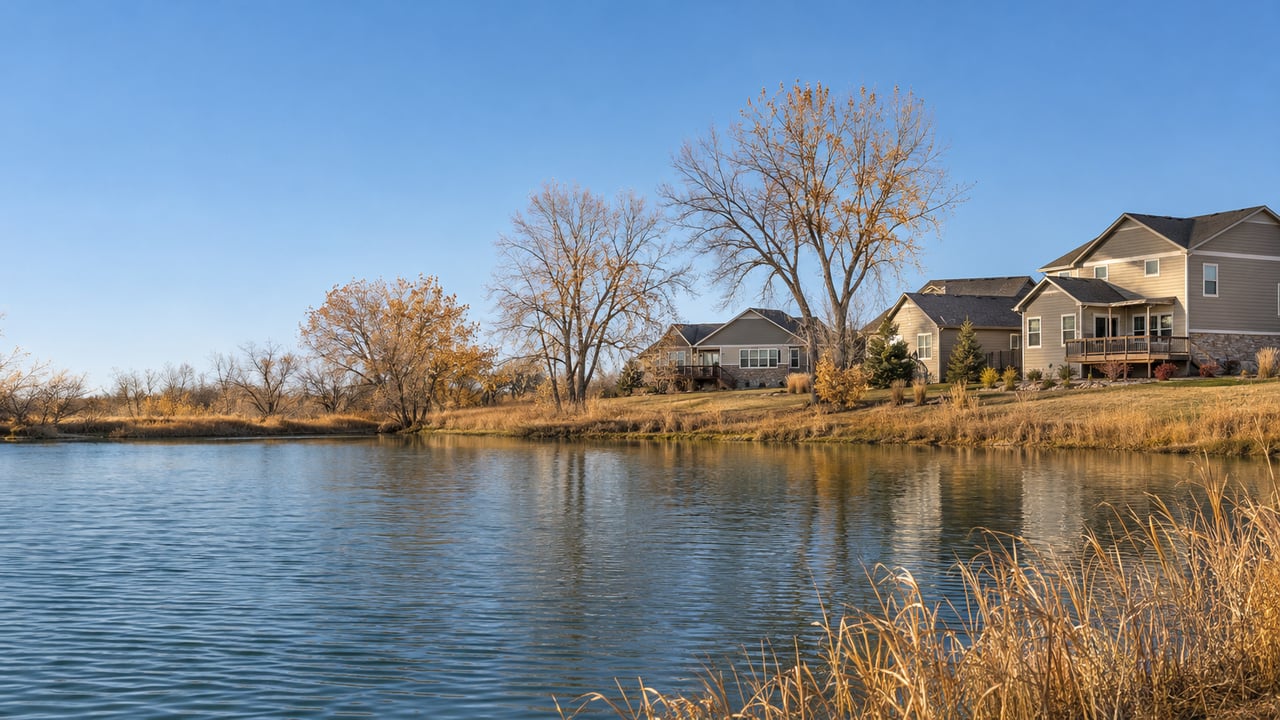
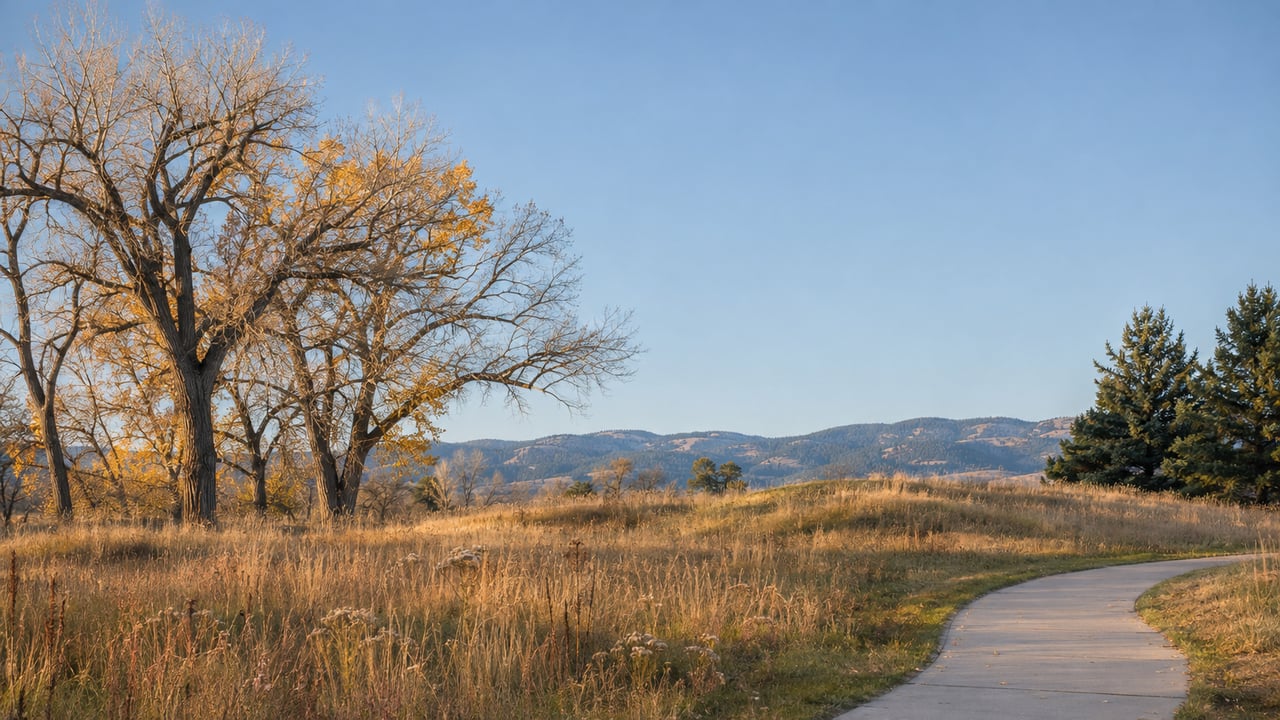
The site is about 80 acres, formerly called Richardson Park. It sits north of Loveland Lake and west of Berthoud Parkway, and the town bought it in 2013. Phase 1 included four ballfields and an outdoor aquatics complex with these features:
- An 8-lane lap pool
- Two 1-meter diving boards
- A zero-entry recreational pool
- A large aquatic play structure
- A slide tower with three water slides, on a hill designed to double as a sled hill in winter
- Seating, deck space, concessions and restrooms
Phase 2 would add a community lawn and amphitheater, a regional destination playground, an interactive waterfall and two more ballfields.
The Sales Taxes Behind the Parks Plan
Berthoud has two voter-approved sales taxes set aside for parks and recreation. In 1998, voters approved a 1% sales tax limited to streets, open space, a recreation center, the Berthoud library and the Berthoud Area Transportation System. In 2018, voters broadened that tax to cover other park and recreation capital projects. In the same election they approved a second 1% tax for building and running park and recreation projects.
In 2019 the town started carrying out its 2018 Parks Development Master Plan. Since then it has completed:
- The Berthoud Recreation Center and Waggener Farm Park, completed in 2021
- The renovation of Berthoud Town Park, completed in 2024
- Pickleball courts at Waggener Farm Park, completed in 2024 and built instead of the planned tennis courts after strong public demand
- A bike park on the Mountain Vista Park site itself, completed in 2024
- Full design of an arboretum at Waggener Farm Park, finished in 2025
The town's information sheet notes that design for the rest of the site had reached 90%. In the town's plan, the pool, ballfields and sled hill were the next project in line.
Moving the Pool Up Raised the Price
When the phasing plan was first presented in 2024, the outdoor aquatics complex came last, as Phase 3. Phase 1 was four ballfields, parking, concessions, restrooms and a small playground. The town's PORT Committee objected to leaving the pool for last. The plan presented in 2025 and 2026 moved the aquatics complex into Phase 1.
That change made Phase 1 the expensive part. The town estimated it at $38 million to $40 million, with up to $28 million financed and the rest from town funds. It projected annual debt payments of $1.75 million to $1.85 million. Operating costs would be covered by pool user fees, ballfield tournament and league revenue, and the two sales taxes.
Trustee Sean Murphy is a licensed architect who has lived in Berthoud since 2013. He opposed the measure in a guest opinion in the Reporter-Herald, writing that the views were his own and not the board's. He wrote that after several amenities were cut, the revised estimate had grown to $43.5 million. By his figures, that was $15.5 million from town funds plus $28 million in bonds, with total spending of up to $75.5 million over 30 years. He also wrote that he supports both ballfields and an outdoor pool. He opposed the size and timing of the project, not what it would include.
Not everyone saw it that way. At a March 24 board meeting, 13 people spoke. Some raised concerns about cost, financing and whether money would remain for other priorities. Others spoke about the need for more fields and the economic activity a regional park could bring, according to the Berthoud Weekly Surveyor. The town's own information sheet argues that regional parks bring visitors who spend money at local shops and restaurants.
How the Town Went From a Board Decision to a Ballot
For most of 2026, it looked like the board would decide the financing itself. In March, trustees hired ECI for capped preconstruction and cost work. On April 14, they voted 5 to 2 to work with Piper Sandler on financing through certificates of participation, the Surveyor reported. Certificates of participation are backed by collateral and don't require voter approval.
On Aug. 11, the board changed course and voted 6 to 1 to put a $28 million bond question on the ballot instead. Mayor Will Karspeck agreed there was no backup plan if the measure failed. He said he "just" felt "more comfortable having other people look at it," as the Reporter-Herald reported. Kirk said going to a vote would likely delay the project three to six months.
That delay already settled when the pool could open. The town had said the aquatics facility could possibly open in summer 2027 if construction began in June 2026. If construction started later in 2026 or in early 2027, the town expected the park and pool to open in 2028. The board referred the financing to voters in August, two months after the June start date in that plan. So even a yes vote would have put the outdoor pool on the 2028 track.
The Unofficial Count
| County | Yes | No | Total |
|---|---|---|---|
| Larimer, as of Nov. 6, 3:33 p.m. | 3,053 | 4,473 | 7,526 |
| Weld | 0 | 3 | 3 |
Almost all of Berthoud's votes on this question were cast in Larimer County, where no led by 1,420 votes. Larimer County said it expected final unofficial results on Nov. 13, after the period for voters to fix ballot problems. The county's election results page has the latest tally.
What a No Vote Leaves in Place
A failed Issue 3G doesn't touch the 1998 and 2018 sales taxes or what they're allowed to pay for. The town still owns the 80 acres. The bike park finished on the site in 2024 is still there, and the park design is 90% complete.
The vote does leave the town without a funded plan. In August, Soricelli-Albrecht voted no because there was no fallback, and Karspeck agreed none existed then. Murphy argued in his op-ed that a no vote "is not the end of MVP." He suggested an updated parks plan, a phased approach with less debt, or more affordable options. Those ideas are one trustee's view, not board policy. Whatever comes next for the pool, ballfields and sled hill will go through the Berthoud Board of Trustees, and the Berthoud Weekly Surveyor has covered the board's votes on the park this year.
If you're following what Mountain Vista Park and the town's park plans could mean for the homes along Berthoud Parkway and around Loveland Lake, I'm happy to talk it through. I watch these projects closely because they shape how the town grows. Seth Hanson is always glad to hear from Berthoud neighbors. Let's Connect.