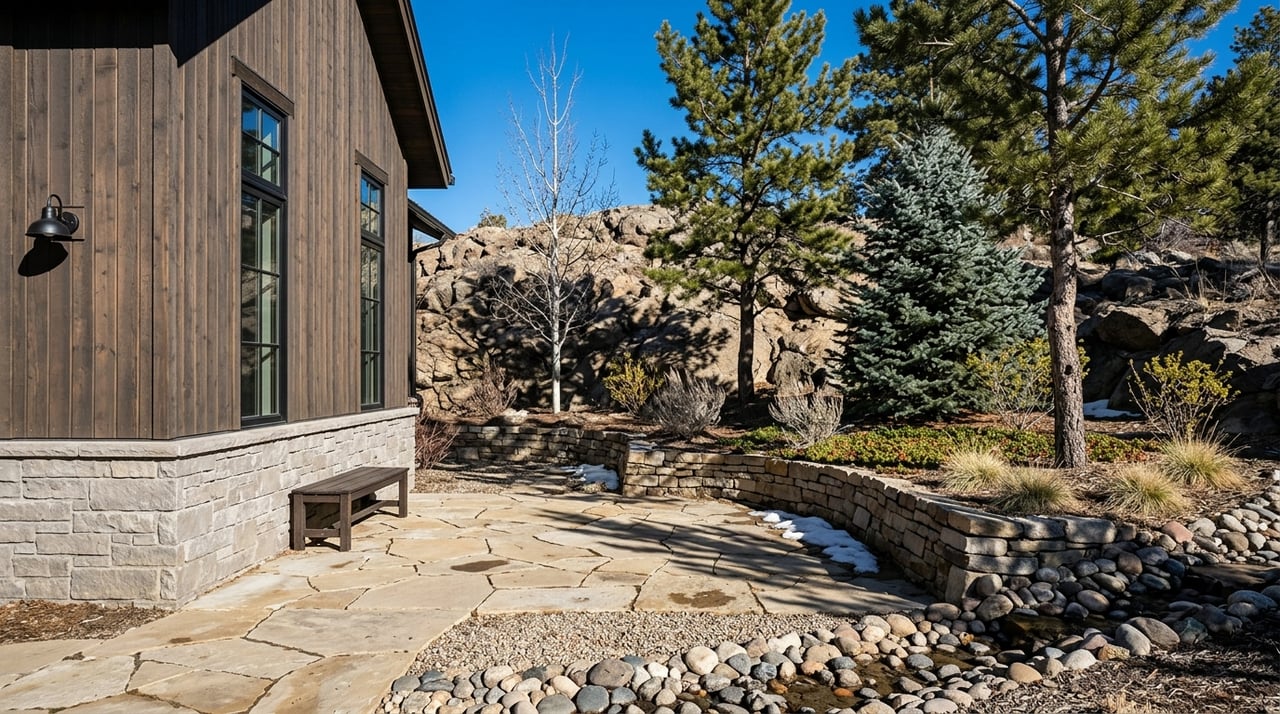
Thinking about trading suburban convenience for mountain living full time? In Estes Park, that choice can feel exciting and complicated at the same time. If you are wondering what daily life really looks like beyond vacation weekends, this guide will walk you through the biggest benefits and tradeoffs of living in Estes Park year-round so you can decide whether it fits your goals. Let’s dive in.
What year-round living in Estes Park feels like
Estes Park is not a typical Front Range suburb. It is a small mountain town of about 5,795 residents, with 2,864 households and a 69.0% owner-occupied rate, according to the U.S. Census. That smaller scale shapes everything from how quickly you learn your routines to how often you run into visitors during peak travel months.
The town also has an older population profile than nearby Fort Collins or Loveland. Census data shows 34.4% of residents are 65 or older, while 12.0% are under 18. Local housing planning data also notes that only about 13% of households have children under 18, which helps explain why the town often feels quieter and more residential than many buyers expect.
For some people, that rhythm is a major plus. You may love the slower pace, the close-knit feel, and the fact that Estes Park feels like a real community rather than just a tourism hub. For others, the smaller population and seasonal economy can feel limiting compared with larger cities down the hill.
Mountain lifestyle benefits
Outdoor access is part of daily life
One of the biggest reasons people choose Estes Park is simple: the setting is hard to match. Rocky Mountain National Park sits right next to town, with east-side park entrances near Estes Park. That means hiking, scenic drives, wildlife viewing, and mountain scenery are not special-occasion activities. They can be part of your normal week.
The recreation base goes beyond the national park. Estes Valley Recreation and Park District provides access to a community center, aquatic center, golf courses, campgrounds, a marina, trails, programs, and events. If you want a lifestyle shaped by outdoor access, Estes Park offers that in a very direct way.
The town supports an active, local lifestyle
Even though Estes Park is small, it offers more everyday amenities than some buyers assume. The town provides The Peak, a free town transit service, and the Estes Valley Library has served the community for more than a century. Estes Park School District also operates local elementary, middle, and high school campuses.
That matters because year-round living is not just about scenery. It is about whether your day-to-day life works. In Estes Park, many essentials are available locally, which helps the town function as a full-time community rather than only a visitor destination.
Remote work is more realistic than many expect
For remote and hybrid workers, internet access can be a deciding factor. The town says Trailblazer Broadband is a community-owned high-speed internet service intended to reach everyone in the town’s electric service area. That is a meaningful advantage in a mountain location where connectivity can otherwise be a concern.
If you do not need to drive to an office every day, Estes Park becomes much more practical. The mountain setting still feels tucked away, but broadband helps reduce the isolation that can come with living in a smaller town.
The biggest tradeoffs to know
Tourist season changes daily routines
The same features that make Estes Park appealing also draw large numbers of visitors. Rocky Mountain National Park recorded 4,171,431 visits in 2025, and the National Park Service uses timed-entry reservations during the busiest season. Estes Park’s police department also reports a dramatic summer increase in vehicle and pedestrian traffic, with seasonal staffing added for parking enforcement and traffic flow.
For residents, this can show up in practical ways. Running errands may take longer, downtown parking can get tighter, and popular weekends may feel less spontaneous. If you value easy access to recreation but want a quieter in-town experience, it helps to understand how strongly tourism shapes the summer and early fall rhythm.
Weather is part of the lifestyle
At 7,480 feet, Estes Park has a true four-season mountain climate. NOAA climate normals show average January highs and lows of 40.0°F and 18.9°F, while July averages are 79.3°F and 47.9°F. Annual precipitation is 16.47 inches, and average annual snowfall is 75.1 inches.
That weather profile can be a selling point if you want real seasons and cooler summers. But it also means winter snow, changing road conditions, and quick weather shifts. The National Park Service notes that weather can change quickly in the park because of the mountains and elevation, and that general reality affects day-to-day life in town too.
Commuting down the hill is possible, but not easy
Estes Park is connected to the Front Range, but it is not next door in the way some maps make it seem. Visit Estes Park lists approximate drive times of 53 minutes to Loveland, 1.25 hours to Fort Collins, 1 hour to Boulder, and 1.6 hours to Denver, with travel times varying based on weather and construction.
That makes a big difference in how sustainable year-round living feels. If your work is mostly remote or hybrid, those distances may be manageable. If you need a daily in-office commute, the drive may feel much heavier than a typical suburban commute.
Housing realities in Estes Park
Home prices reflect scarcity and demand
Estes Park housing tends to come at a premium compared with some nearby Northern Colorado markets. Census data shows a median owner-occupied home value of $664,200 and a median gross rent of $1,511. The average household size is 1.99, which fits the town’s smaller-household profile.
Those numbers point to a market where ownership is common but supply is limited. Compared with Fort Collins and Loveland, Estes Park has a smaller housing base and a higher median owner-occupied home value than both communities, based on Census figures in the research.
Supply constraints are a real factor
Local planning documents make it clear that housing availability is an ongoing challenge. The 2025 annual housing supply plan says housing growth has been the slowest since the 1960s. It also states the community needs 1,220 additional dwellings now and another 1,500 by 2030.
The town has added more than 200 workforce-restricted homes in 2024 and has converted some lodging and short-term-rental-style properties into longer-term workforce housing. Even with those efforts, buyers should expect a market shaped by limited inventory and more competition for homes that fit full-time living needs.
Mountain properties often require more due diligence
Buying in Estes Park often means paying closer attention to mountain-specific property factors. Town planning guidance covers wildfire mitigation, fire-resistant landscaping, dark-sky lighting, driveways and access, setbacks, and accessory dwelling units. Those are not minor details. They can affect both what you buy and how you use the property over time.
This is where local knowledge matters. If you are comparing Estes Park with a more conventional Front Range market, the housing search may involve more questions about site conditions, access, and property constraints before you get to the finish line.
Services and healthcare expectations
Local services are solid, but more limited
For a town of its size, Estes Park has a meaningful service base. You can handle many day-to-day needs in town, and local civic life tends to feel engaged and participatory. The town also runs a biennial community survey, which reflects that local decision-making remains a visible part of community life.
Still, it is important to compare Estes Park to what it is, not what a larger city offers. You will find local amenities and community infrastructure, but not the same depth of retail, dining, medical specialization, or employment options that you would find in Fort Collins or Loveland.
Healthcare works for many routine needs
UCHealth Estes Valley Medical Center reports that its emergency department is open 24/7/365, and its urgent care is open daily for non-emergent needs. That gives residents a local option for many routine and urgent situations. At the same time, the medical center notes that patients may be transferred when the facility does not have the needed resources.
The practical takeaway is straightforward. Basic and urgent care access is available locally, but more specialized care may still require trips to larger medical systems down the hill.
Who year-round living in Estes Park may suit best
Estes Park can be a strong fit if you care most about scenery, recreation, and a small-town mountain setting. It may also work especially well if you are a remote or hybrid worker, a buyer seeking a lifestyle-driven move, or someone who does not need the full service depth of a larger metro every day.
The tradeoff is that you need to be comfortable with seasonal traffic, winter weather, housing constraints, and the realities of a smaller local economy. In other words, Estes Park works best when you choose it for what it is, not when you expect it to function exactly like Fort Collins, Loveland, or Denver.
If you are weighing the move, the smartest next step is to look beyond the postcard version of the town. Pay attention to commute patterns, seasonal traffic, housing type, access needs, and how often you rely on services outside town. That kind of clear-eyed planning usually leads to better long-term decisions.
If you want help sorting through Estes Park homes, mountain property considerations, or how this market compares with the rest of Northern Colorado, Seth Hanson can help you make a more informed move.
FAQs
Is Estes Park a good place for full-time living?
- Estes Park can be a strong option for full-time living if you want a small mountain town, immediate outdoor access, and a more residential feel, but you should also be prepared for seasonal traffic, winter weather, and a smaller service base than larger Front Range cities.
How expensive is housing in Estes Park?
- U.S. Census data in the research report shows a median owner-occupied home value of $664,200 in Estes Park, which reflects the town’s limited housing supply and higher price point compared with nearby Loveland and Fort Collins.
What is winter like in Estes Park for year-round residents?
- NOAA climate normals in the research report show average January temperatures around 40.0°F for highs and 18.9°F for lows, with about 75.1 inches of annual snowfall, so winter is a regular and important part of daily life.
Can you commute from Estes Park to Fort Collins or Loveland?
- Yes, but it is a real commute. Visit Estes Park lists approximate drive times of 53 minutes to Loveland and 1.25 hours to Fort Collins, with weather and construction affecting travel time.
Does Estes Park have enough amenities for everyday life?
- Estes Park has a useful local services base that includes schools, library services, recreation facilities, free town transit, and local healthcare access, but it does not offer the same range of services and specialized care as larger Front Range communities.
Is Estes Park a good fit for remote workers?
- It can be, especially because the town says Trailblazer Broadband is a community-owned high-speed internet service intended to reach everyone in the town’s electric service area, which helps make full-time mountain living more practical for remote and hybrid work.